

Products
When choosing lighting for your home or commercial space, two popular options often compete for attention — LED track lighting and recessed lighting. Both bring unique benefits, but the best choice depends on your design style, budget, and functional needs. Let’s explore their differences so you can make the right decision for your space.
LED track lighting offers flexibility and visual impact. Each fixture sits on a track and can be easily adjusted to shine exactly where you want — whether it’s showing off a piece of art, drawing attention to an accent wall, or focusing on a key spot in the room. This style creates a modern, sometimes industrial look that works beautifully in open-plan homes, galleries, and retail stores.
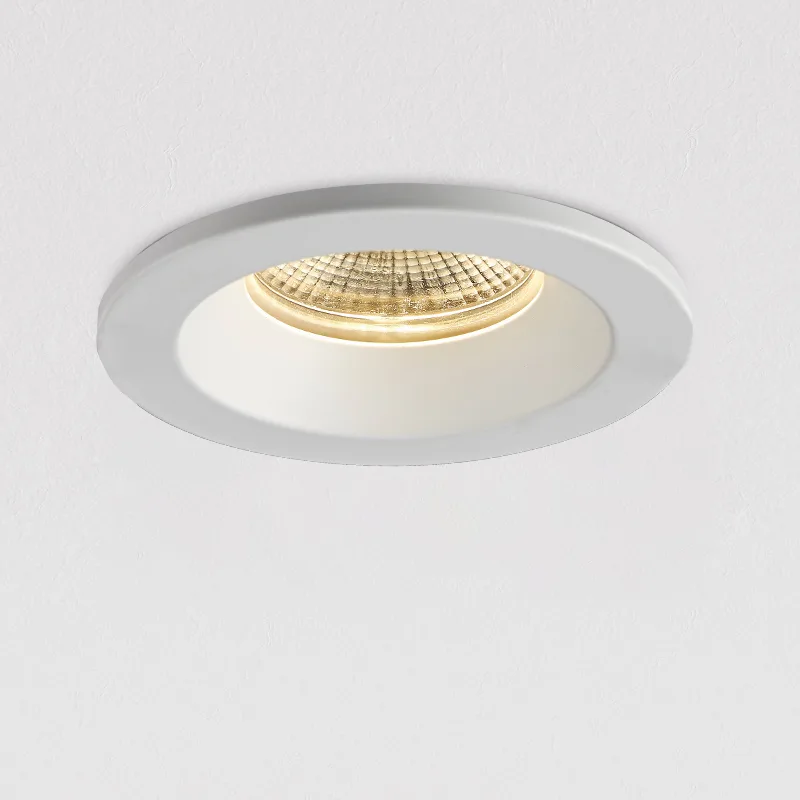
Recessed lighting, on the other hand, fits snugly into the ceiling, creating a neat and polished look. The light source is tucked out of sight, which gives the room a clean and minimalist vibe. This makes it perfect for homeowners who prefer an unobtrusive look that complements, rather than competes with, other design elements.
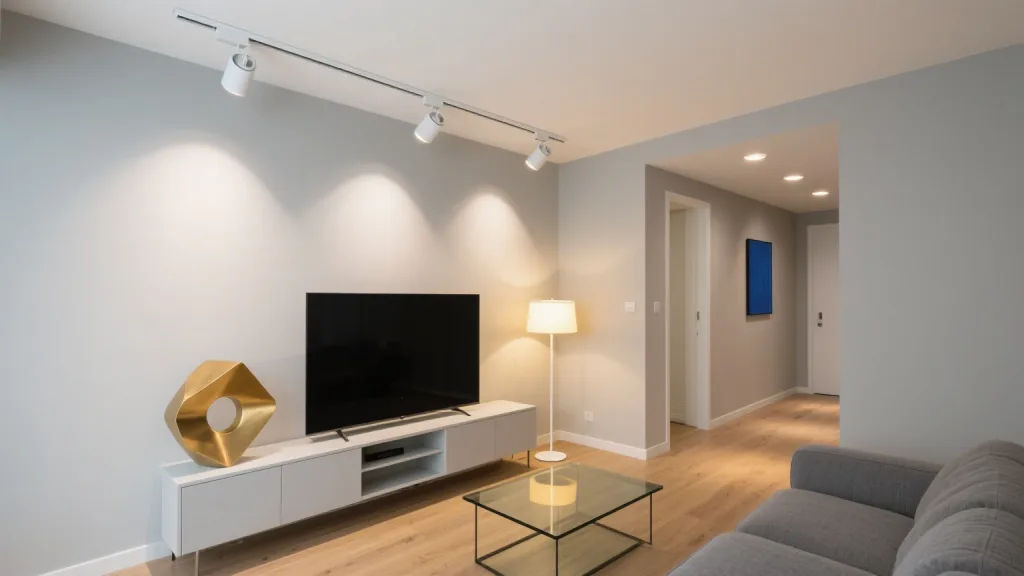
One of the biggest perks of LED track lighting is just how easy it is to adjust. You can reconfigure the direction of the track heads anytime, allowing quick adaptation as your space or decor changes. You can even combine wide and narrow beam angles on the same track for both task and ambient lighting.
Recessed lighting provides uniform illumination throughout a room. Since each fixture is installed directly into the ceiling, the light spreads evenly, minimizing shadows and glare. This makes it a go-to choice for general lighting in kitchens, living rooms, and hallways.
LED track lighting is generally simpler and less invasive to install, especially in existing spaces. A single electrical connection powers multiple fixtures along the track, meaning fewer ceiling cutouts and less rewiring. That’s why it’s a great choice for retrofits or quick lighting upgrades.
Recessed lights take a bit more work to install because each one needs its own hole and wiring. It’s best suited for new builds or major renovations, as the process can be time-consuming and may require structural adjustments to the ceiling.
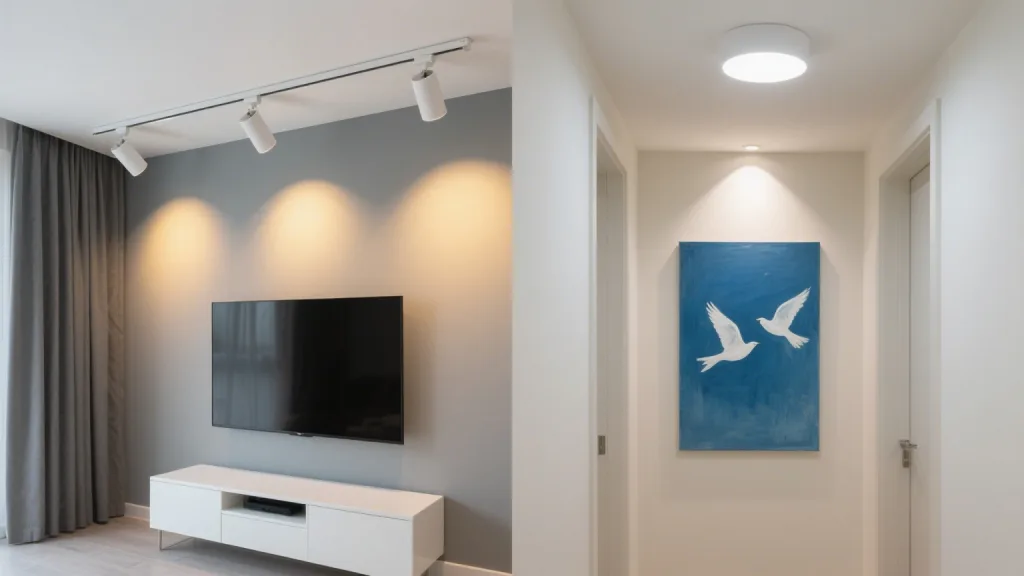
Both LED track lights and recessed lights use energy-efficient LED technology, which can really cut down on electricity bills compared to traditional lighting. However, track lighting is generally easier to maintain, as bulbs and fixtures are fully accessible without disturbing the ceiling.
Recessed lights may require more effort to service, especially if insulation or ceiling panels need to be moved. That said, modern recessed LED lights last a long time, so you won’t have to worry about replacing them often.
For smaller spaces, LED track lighting often has a lower upfront cost because one power source can run multiple fixtures. In larger areas, recessed lighting can become more expensive due to the number of fixtures and higher labor costs for installation.
However, recessed lighting can enhance a home’s resale value by delivering a sleek, high-end appearance that appeals to many buyers.
For versatility, easy tweaking, and hassle-free setup, LED track lighting is your best bet. It’s perfect for spaces where lighting needs may change or where you want to draw attention to specific features.
If you prefer a clean, discreet look with even brightness, recessed lighting is an excellent choice. It’s best for rooms that require consistent general lighting without making the fixtures a focal point.
Choosing between LED track lighting and recessed lighting comes down to your personal style, what you need the lights to do, and your budget. For many homeowners, a combination works best — recessed lighting for overall illumination and LED track lighting for accent or task lighting.
INQUIRY