

Products
When shopping for LED pendant lights, making the right choices ensures both style and performance over the long term. Below are key factors to evaluate — from light quality to installation flexibility — so you can confidently select the perfect pendant lighting for any space.
The brightness of your LED pendant light is determined by lumens. When comparing models, check the lumens per watt (lm/W) rating: higher efficiency means more light for less energy. High-quality LED pendant lights offer excellent energy savings with stable, long-lasting light output.
Color temperature, measured in Kelvin (K), plays a key role in shaping the atmosphere of a space. Warm white light, typically between 2700 K and 3000 K, creates a cozy and relaxed environment, ideal for bedrooms and living areas. Neutral white, ranging from 3500 K to 4000 K, provides a balanced and natural tone suitable for most indoor settings, such as dining rooms or offices. For task-oriented areas like kitchens or workspaces, cool white light at 5000 K or higher offers clarity and focus. In addition to color temperature, pay attention to the Color Rendering Index (CRI). A high CRI—ideally 80 or above—ensures that colors appear vivid and natural under the light, enhancing both aesthetics and functionality.
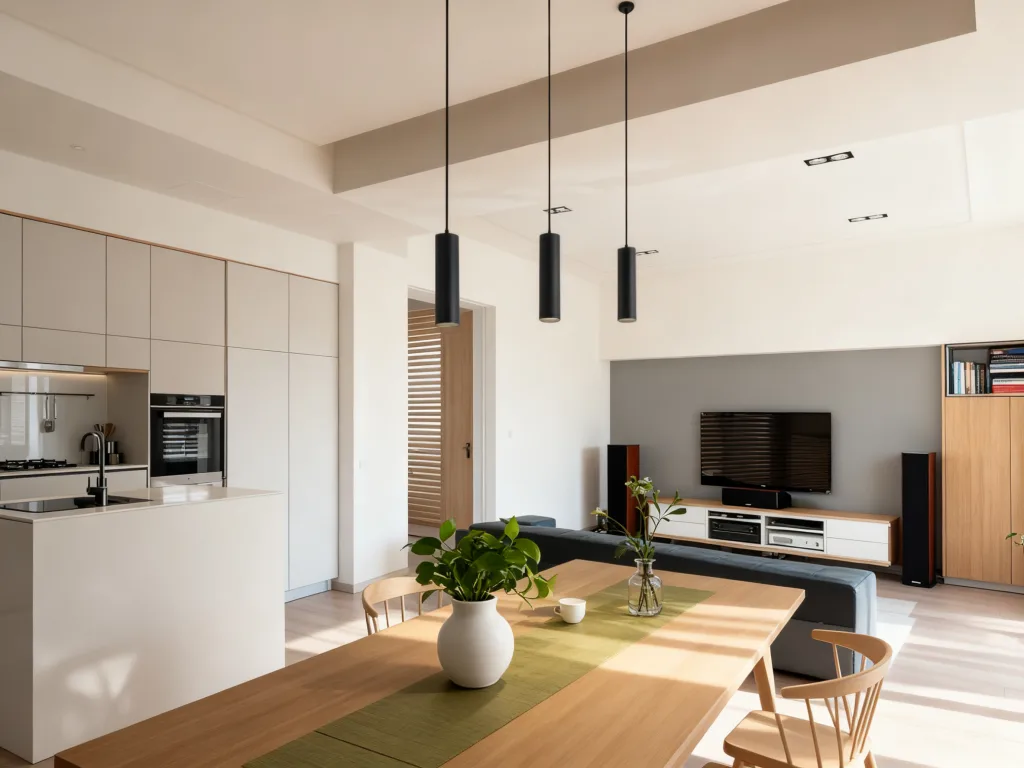
A pendant light should complement your interior design theme. Modern LED pendant lights are available in a wide range of styles, from sleek minimalism to more decorative and luxurious forms. They also come in various shapes, such as round, square, or linear, with different finishes to match the mood and materials of your space.
Different environments require different hanging heights. Look for fixtures with adjustable or customizable wire lengths, which allow you to adapt the light to high ceilings, kitchen islands, or dining tables. Adjustable suspension provides better flexibility and helps you achieve the perfect balance between visual comfort and illumination.
If you want to create different moods or control brightness throughout the day, choose an LED pendant light that supports dimming. Dimmable fixtures allow you to switch from bright task lighting to a softer, more relaxed ambiance effortlessly, adding both comfort and energy efficiency.
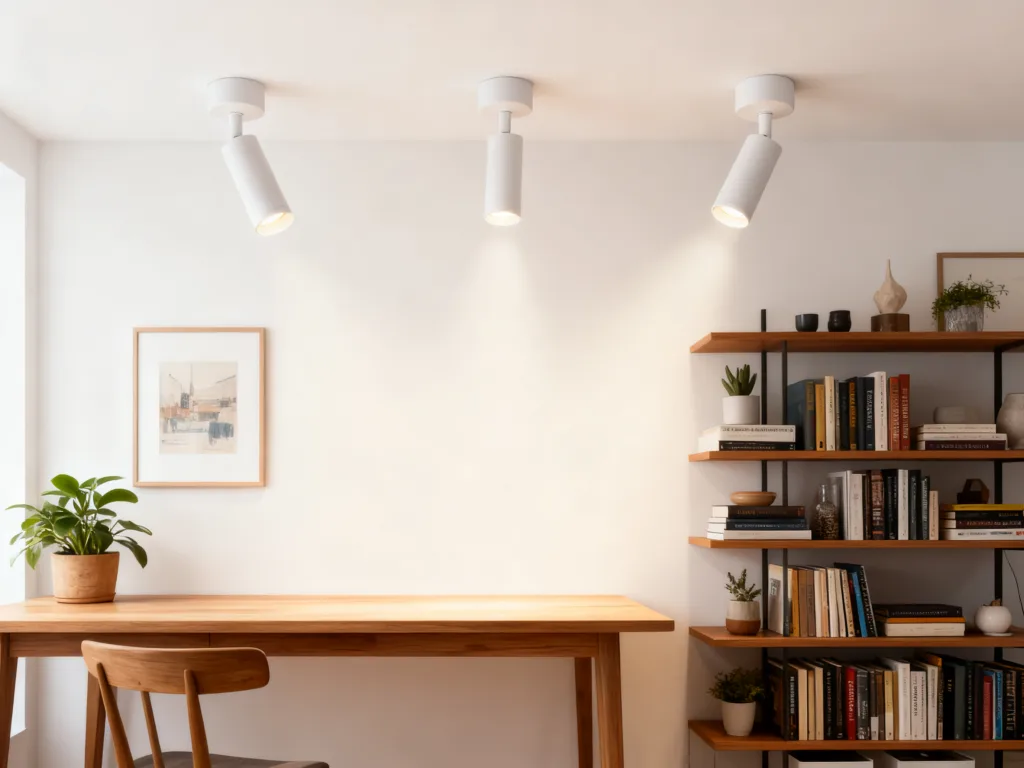
Some pendant lights are designed with adjustable heads or directional beams, making it possible to focus light exactly where it’s needed. This is especially useful for accentuating artwork, countertops, or architectural details, creating a more lively and purposeful lighting atmosphere in your space.
If your pendant light is placed near moisture or steam — such as above a kitchen island or near windows — pay attention to its IP (Ingress Protection) rating. An IP20 rating is typically sufficient for dry indoor spaces, while IP44 or higher is recommended for areas exposed to humidity.
Always check the materials used in the fixture. Pendant lights made from high-quality aluminum, steel, or tempered glass are more durable and provide better heat dissipation. Strong construction also enhances safety and prolongs the lifespan of your lighting fixture.
LED pendant lights generally fall into two categories: integrated LED modules and fixtures with replaceable lamps such as GU10, COB, or MR11. Integrated designs offer a sleek, modern look and consistent performance, while replaceable lamps provide easier maintenance and flexibility for future upgrades.
When selecting a pendant light, consider how easy it will be to clean or service. Fixtures with open designs are usually easier to clean, while complex ones might need more attention. Opt for a design that balances visual appeal with practicality.
For commercial projects or unique home interiors, customization options can be very beneficial. Some manufacturers offer custom finishes, colors, or dimensions to match your specific design vision. Custom lighting can help create a cohesive look that aligns perfectly with your space.
If you’re planning a large-scale installation, it’s wise to confirm the lead time and minimum order quantity before placing an order. Understanding production schedules and delivery expectations ensures a smooth project timeline and avoids unnecessary delays.
A reliable warranty is a key indicator of product quality and manufacturer confidence. Look for pendant lights that come with at least a three- to five-year warranty and check what components are covered, such as LED modules, drivers, or fixture parts. Good after-sales service provides peace of mind and guarantees long-term satisfaction.
When shopping for LED pendant lights, it’s important to look beyond aesthetics. Focus on factors like light performance, design flexibility, technical features, durability, and maintenance. Consider whether customization options are available and what kind of warranty and support the manufacturer provides.
By evaluating these aspects carefully, you can select LED pendant lighting that not only enhances the beauty of your space but also delivers reliable, energy-efficient, and comfortable illumination for years to come.
INQUIRY