

Products
When choosing the right downlights for your space—whether it’s a modern bathroom, outdoor ceiling, kitchen, or office—understanding the difference between waterproof LED downlights and regular LED downlights is important. Though both fixtures may look similar, their internal design, material quality, and performance in different environments are quite different. Selecting the right type not only enhances lighting quality but also extends the product’s lifespan and ensures safety.
A regular LED downlight, also known as a standard or indoor downlight, is designed mainly for dry, interior environments. These lights are typically installed in living rooms, bedrooms, corridors, and offices—spaces where humidity and water exposure are not a concern.
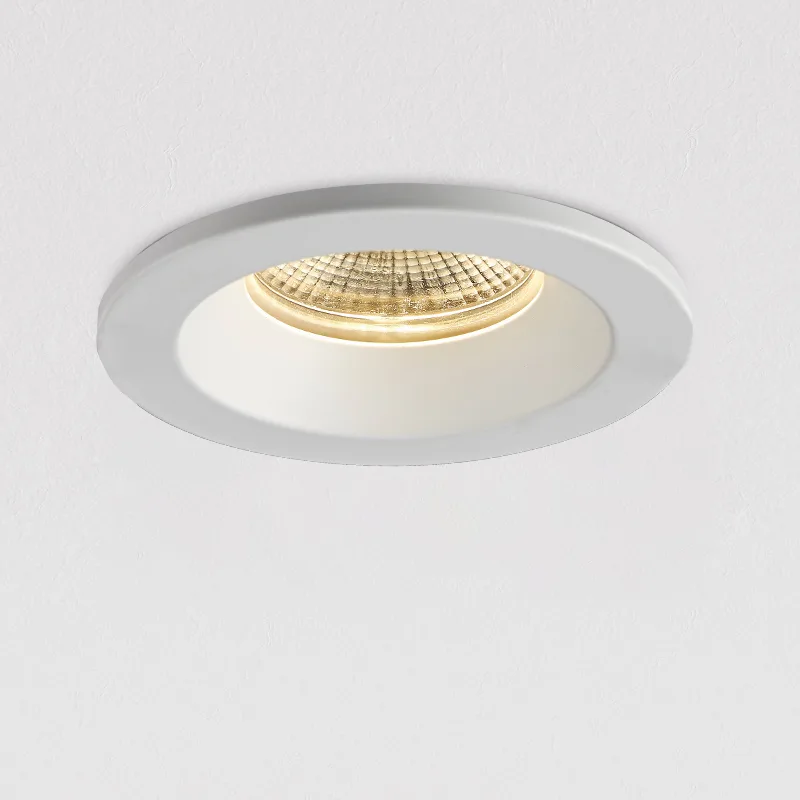
Regular LED downlights usually feature recessed or surface-mounted designs that provide a clean, minimal appearance. Many models offer dimmable functions, anti-glare reflectors, or adjustable color temperatures ranging from warm white to neutral white. Some versions also include tiltable heads for flexible light direction, making them ideal for accent or task lighting.
However, regular downlights generally have low IP (Ingress Protection) ratings—often around IP20—which means they offer no protection against moisture or water. Installing them in damp areas like bathrooms or under eaves could cause damage to the electrical components or even pose a safety risk over time.
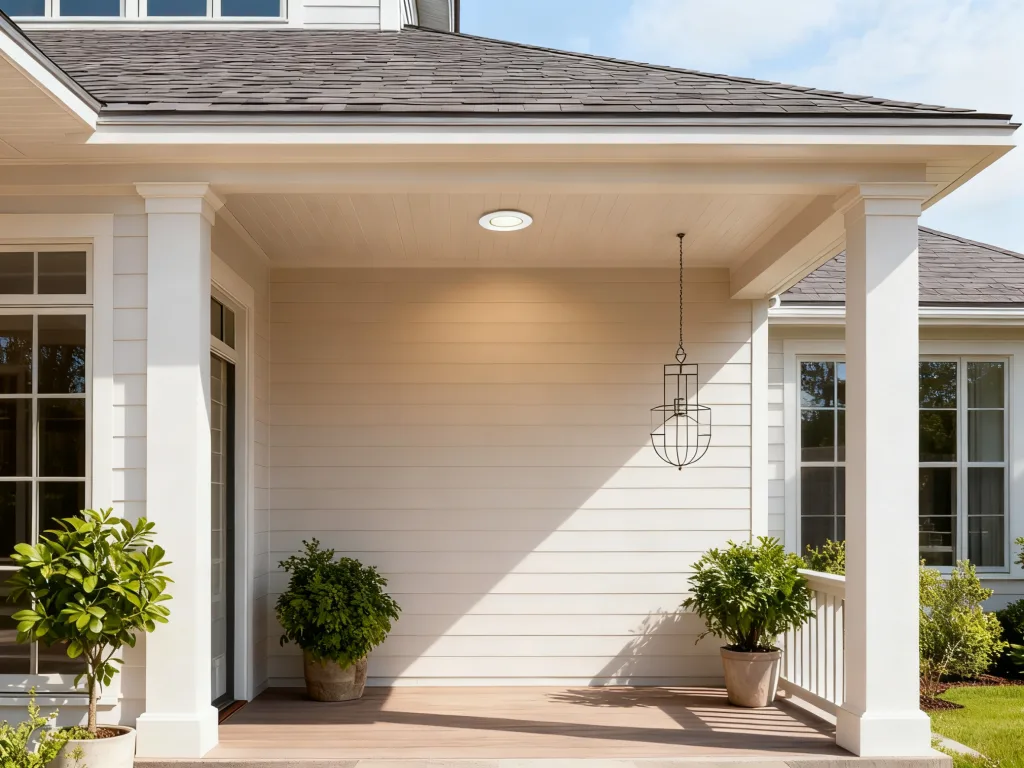
Waterproof LED downlights are specifically engineered to handle moisture, humidity, and dust. These fixtures are perfect for wet or semi-wet areas such as bathrooms, kitchens, outdoor patios, or carports. Their design includes several key distinctions that set them apart from regular downlights.
1. Higher IP Rating
The most obvious difference lies in the IP rating. Waterproof LED downlights commonly feature ratings like IP44, IP54, or IP65. The higher the IP number, the better the protection. For example, IP44 models resist splashing water, while IP65 downlights can withstand low-pressure water jets, making them suitable for outdoor use or directly above showers.
2. Sealed Housing and Gaskets
To prevent moisture from entering the fixture, waterproof downlights have sealed enclosures and rubber gaskets around key joints. This design ensures that no water or dust reaches the LED chips or the internal driver, guaranteeing safety and extending the product’s lifespan.
3. Corrosion-Resistant Materials
Waterproof models are often made from corrosion-resistant materials such as treated aluminum or high-grade plastics. These materials protect against rust and oxidation, making them durable even in humid or coastal environments.
4. Thermal and Moisture Isolation
Because waterproof fixtures must handle both heat and humidity, they include additional insulation and moisture barriers inside the housing. This structure prevents overheating while maintaining reliable operation under challenging conditions.
5. Greater Installation Flexibility
One of the biggest advantages of waterproof LED downlights is their versatility. They can be used both indoors and outdoors, making them a flexible solution for architects and homeowners. While regular downlights are limited to dry interiors, waterproof models can perform safely in almost any space.
| Feature | Regular LED Downlight | Waterproof LED Downlight |
| IP / Moisture Protection | Low (e.g., IP20), not water-resistant | High (IP44–IP65), moisture and dust protection |
| Application Zones | Dry interiors: living rooms, offices, hallways | Wet or semi-wet areas: bathrooms, kitchens, outdoor ceilings |
| Durability | Suitable for indoor use only | Designed for humidity, dust, and corrosion resistance |
| Cost | Lower initial cost | Slightly higher price due to sealing and materials |
| Flexibility | Limited to indoor spaces | Can be used indoors and outdoors |
| Maintenance | Minimal if used properly | Occasional inspection of seals is recommended |
Choose Waterproof Downlights When:
Choose Regular Downlights When:
No matter which type you choose, a few simple practices ensure the best results. Always check the IP rating before purchasing and confirm that it matches your environment. For waterproof models, make sure the seals and gaskets remain intact during installation to prevent leaks. It’s also important to provide adequate ventilation in the ceiling cavity to avoid overheating, especially for enclosed fixtures. Finally, match your chosen downlight’s color temperature and beam angle with your interior style to maintain consistent illumination.
The main difference between waterproof LED downlights and regular LED downlights lies in their ability to resist water and environmental stress. Regular downlights work perfectly in dry indoor areas, offering style and comfort at a lower cost. Waterproof LED downlights, on the other hand, provide enhanced safety, durability, and flexibility for both indoor and outdoor applications.
For any project involving moisture or outdoor exposure, investing in waterproof LED downlights ensures reliable performance, long lifespan, and peace of mind. Choosing wisely means your lighting will not only look great but also perform efficiently for years to come.
INQUIRY