

Products
When choosing home lighting, more and more people choose LED downlights. They are perfect for residential lighting since they not only produce consistent, brilliant light but also offer great energy efficiency, extended lifespans, and little environmental impact.
However, there are numerous kinds of LED downlights available on the market. It might be difficult to choose the best LED downlight because different brands and models offer a wide range of light colors, brightness, and design options.
With so many LED downlight options available, how can you choose the one that best suits your home’s needs? In this guide, we’ll cover what LED downlights are, their types, factors to consider when choosing, and installation and maintenance tips to help you choose the LED downlight that best suits your needs.
LED downlights are becoming more and more popular because of their simple appearance, excellent lighting effects, and significant energy-saving characteristics. Below we will introduce what LED downlights are and their advantages.
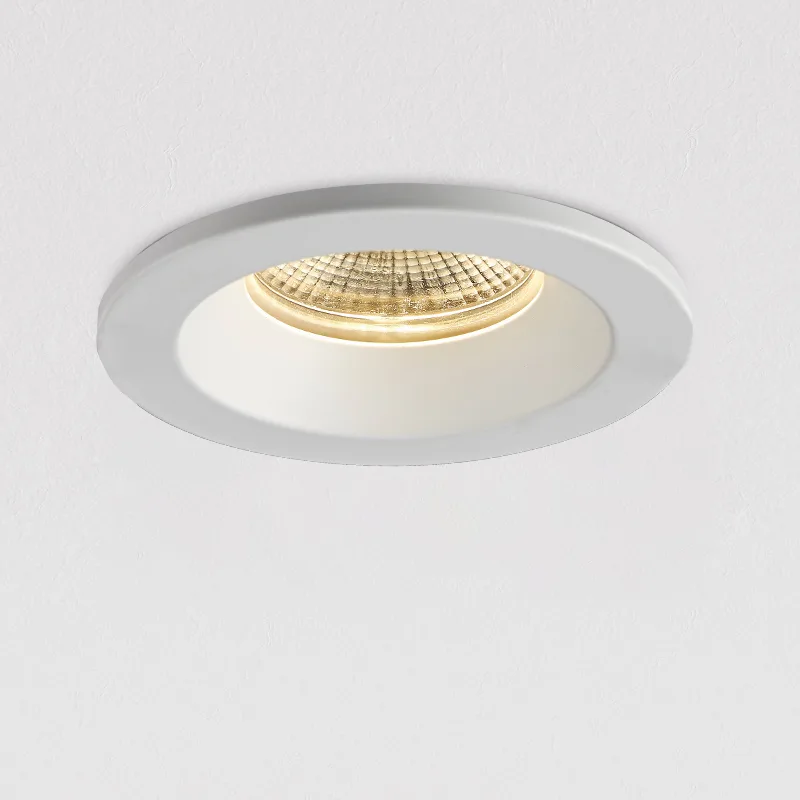
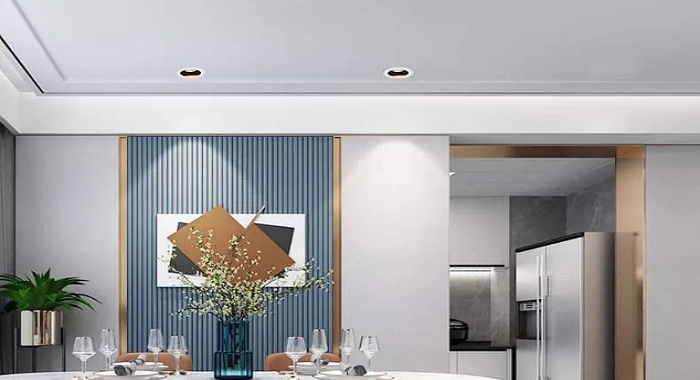
LED downlights are a type of embedded lighting fixture that is usually installed in a hollow opening in the ceiling. The main body of the lamp is hidden in the ceiling, and only one light source is exposed, which also gives the ceiling a smooth visual effect.
LED downlights use light-emitting diodes (LEDs) as light sources. Compared to traditional incandescent or fluorescent lamps, LED downlights are more energy efficient and have a longer service life.
LED downlights have many advantages, such as energy saving, long life, flexible design, instant lighting, environmental protection, and so on. Here we introduce in detail.
Energy Efficiency: This is a major advantage of LED downlights. They have efficient energy conversion capabilities and consume far less energy than traditional lighting fixtures at the same brightness. Compared with traditional lighting fixtures that convert most of the energy into heat, LED downlights can convert more energy into light, greatly reducing energy waste.
Longevity: As we all know, the life of LED lamps is very long, usually up to 50,000 hours or more. This means that the replacement frequency of LED downlights is greatly reduced, which in turn reduces maintenance costs.
Design Flexibility: LED downlights are available in a variety of sizes, shapes and colors, and can be customized to meet different design needs. Whether used for residential or commercial space, LED downlights can provide the right solution.
Instant Lighting: LED downlights do not need to be preheated and can reach full brightness immediately after the switch is turned on. This instant lighting feature makes it very practical in many application scenarios, especially where lights need to be turned on and off frequently.
Environmentally Friendly: Unlike fluorescent lamps containing harmful substances such as mercury, LED downlights do not use harmful chemicals in the manufacturing process, and their production and use produce fewer carbon dioxide emissions, thus helping to reduce the carbon footprint, more friendly to the environment.
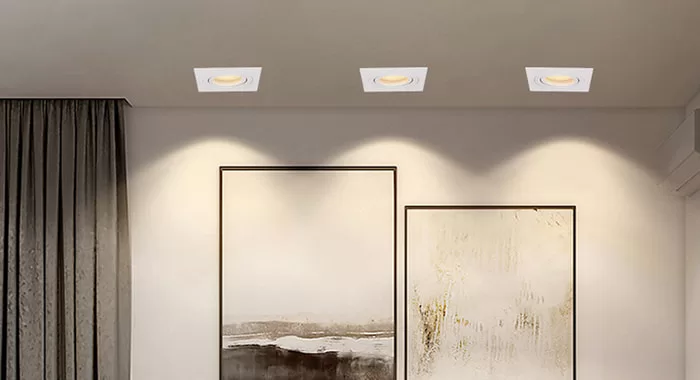
There are a wide variety of LED downlight types on the market, each with its own unique features and design. Choosing the right LED downlights is crucial to the lighting effect of different rooms. Below we introduce several common types of LED downlights and their characteristics:
The first is recessed downlights, which are one of the most common types of LED downlights. They are usually installed inside the ceiling, so the overall design will appear more concise and low-key, and will not have much impact on the interior decoration.
Recessed downlights are ideal for general lighting or task lighting, especially in areas where clean, unobtrusive lighting effects are desired, such as living rooms, bedrooms, or kitchens. Because this type of downlight needs to reserve space in the ceiling when installed, it is particularly common in new or large-scale renovation projects.
Unlike recessed downlights, surface-mounted downlights are mounted on the surface of the ceiling, rather than embedded inside the ceiling. Surface-mounted downlights are ideal for places where there is not enough ceiling space, such as concrete ceilings or rooms with limited space above the ceiling.
Surface-mounted downlights also have a similar stylish aesthetic to embedded downlights, while at the same time, they also offer greater flexibility in terms of installation. Why say that? Because they can be easily added to an existing lighting layout without the need to retrofit the ceiling. Surface-mounted downlights are ideal for use in hallways, foyers, or other areas that require basic lighting.
Adjustable downlights, also known as gimbal downlights. Unlike traditional fixed-orientation downlights, adjustable downlights have a head that can be rotated and tilted, making them a highly flexible lighting solution.
The main feature of adjustable downlights is their adjustable lamp head. You can rotate or tilt the lamp head as needed to focus the light on a specific area or to achieve a wider lighting coverage. Because of the unique directional lighting function and design flexibility of adjustable downlights, they are very popular in the lighting market.
Retrofit downlights are the type of LED downlights designed to upgrade existing light fixtures. They are especially suitable for users who want to enhance their lighting without undertaking extensive renovations.
The advantage of this type of downlight is that it has strong dimensional compatibility, can be directly installed on the existing lamp position, and the installation process is simple and fast. Whether it’s replacing incandescent, fluorescent, or older halogen downlights, retrofit downlights can be easily matched, avoiding the hassle of re-drilling or large-scale ceiling remodeling. Retrofit downlights provide great convenience for traditional lighting users to transition to LED lighting.
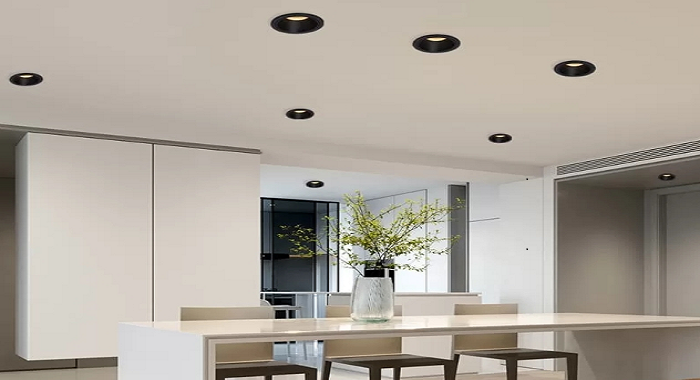
Selecting the appropriate LED downlight is crucial when faced with the plethora of options available on the market. Below, we introduce several important factors to consider when choosing LED downlights.
The purpose and lighting requirements of the space must be taken into account when selecting LED downlights. Every room has unique purposes and demands for illumination.
For the living room, the lighting needs to be diversified. Ambient lighting is the basic lighting in the living room, which is usually achieved by LED downlights installed on the ceiling. For task lighting, in specific areas of the living room, such as reading corners, more concentrated light sources may be required, so you can choose LED downlights with narrower beam angles.
There must be bright illumination in the kitchen. As a result, high lumen output LED downlights are a great option. They can provide plenty of light. The lighting in bathrooms must strike a balance between safety and functionality, so picking the correct LED downlights is essential. The most important of these is water resistance, to avoid water vapor entering the lamp’s interior in a humid area, use LED downlights with an IP44 or higher protection level.
Brightness is also a key factor to consider. Brightness determines how much light a space has and is usually measured in lumens. The higher the lumen value, the brighter the light.
Different areas require different kinds of lighting. For instance, more warm, gentle light may be needed in the living room than in the kitchen, which requires strong, clear light. You can make sure that every room is completely functional and that the light fulfills the needs of that particular place by choosing the optimum brightness for the LED downlight.
Furthermore, visual comfort is directly impacted by brightness. When working or being active over extended periods, too low of brightness will result in inadequate light, which can easily cause eye tiredness. A glare brought on by excessive brightness may be uncomfortable. Taking brightness into account when selecting LED downlights can assist balance light intensity, creating a visually attractive space, and lessening eye strain and discomfort.
When choosing LED downlights, color temperature is also a key factor to consider. There are three common color temperature options:
Warm White: Typically, the color temperature ranges from 2700K to 3000K. People feel comfy and pleasant when exposed to light with this color temperature because it displays a warm yellow or orange light. It is perfect for spaces that need to have a calm atmosphere, such living rooms and bedrooms.
Cool White: The color temperature is neutral and spans from 3500K to 4100K. It produces neutral, bright light that is ideal for spaces like bathrooms, kitchens, and offices where there is a need for strong visibility and usefulness.
Daylight: Typically, the color temperature ranges from 5000K to 6500K. It is typically utilized in spaces that demand a high degree of clarity and focus, like home offices, and mimics the effects of natural sunshine. The light is whiter and colder than natural daylight.
The beam angle of LED downlights determines the spread of light. When the beam angle is narrow, the light will be more concentrated, forming a spotlight effect. When the beam angle is wide, the light will be more dispersed, and a larger area can be illuminated.
Narrow beam angles are usually between 15° and 30°. If you want to highlight the key points through light, then narrow beam angles are a better choice. On the contrary, wider beam angles are usually between 60° and 120°. If you want to provide bright and even lighting throughout the room, then a downlight with a wide beam angle will be more suitable.
Dimmability is an important feature of LED downlights. It provides users with flexible lighting control, so that the light can be adjusted as needed. For example, when you need to work, you can turn up the light brightness to ensure sufficient light. When you want to relax, you can turn down the light brightness to make the light softer.
It is important to note that when choosing a dimmable LED downlight, make sure it is compatible with the existing dimmer switch. Because not all LED lamps are compatible with all dimmers, using incompatible devices may cause the lamp to flicker, make noise, and even shorten the life of the lamp. So before purchasing, you need to ensure compatibility.
LEDs are very energy efficient. But when choosing a downlight, you also need to consider the wattage. Generally speaking, the lower the wattage, the less energy the lamp consumes, which helps to reduce electricity bills and reduce carbon footprint. However, you need to make sure that its brightness can meet your lighting needs.
Lower wattage means lower energy consumption, but it does not necessarily mean less brightness. With the advancement of LED technology, LED downlights can provide good brightness even at lower wattage. When choosing, it is important to balance the wattage and brightness to ensure that the light is bright enough while saving energy.
In addition to the functional factors of LED downlights, their design and aesthetics are also important and will affect your home decoration. When choosing LED downlights, you should consider the decorative style, color and finish of the downlights, as well as the shape and size to ensure that they complement your home interior.
For example, the shape and size of the downlight. Generally speaking, round downlights are the most common choice. They fit most ceiling designs and provide uniform light. If you want a different design, square downlights are also a good choice. They will be more modern. In addition, the size of the lamps should be selected according to the size of the room and the height of the ceiling to ensure that they will not appear obtrusive and can provide enough lighting.
Finally, you also need to consider the installation and compatibility of LED downlights. Because some downlights are suitable for flat ceilings, while others are suitable for sloped or special ceilings, you need to choose a compatible downlight based on the type of ceiling you have.
The installation of LED downlights also needs to be considered. Some downlights are designed to be easy to install and can be done yourself, while others may require the help of a professional. It’s also crucial to remember that, in the event that you are changing an old fixture, you will need to precisely measure the cutout size to guarantee that the chosen LED downlight’s dimensions fit the current aperture.
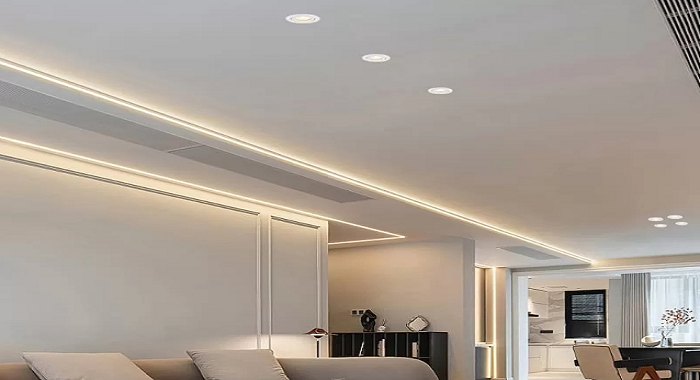
When choosing LED downlights, some common mistakes may affect the lighting effect. Here are a few common pitfalls to avoid and how to avoid them to ensure that you can get the best lighting effect.
Many people ignore the beam angle when choosing LED downlights. However, the beam angle is a critical factor because it determines the range of the light distribution. If the beam angle is not taken into account when selecting LED downlights, it may lead to uneven lighting and affect the lighting effect.
Therefore, it is important to choose the right beam angle according to your actual lighting needs. If you are going to use LED downlights for accent lighting, then you can choose a narrow beam angle. Because this can make the light more concentrated, and produce a better focusing effect. If it is a general lighting application, then a wide beam angle LED downlight is more appropriate to ensure that the light can cover the entire area.
The color temperature of LED downlights is also easy to overlook. People may think it’s not important, but it actually has a big impact on the atmosphere of the room. For example, if the bedroom is using cold white LED downlights, then you may not feel comfortable, because it will make your bedroom look very bright.
Therefore, the choice of color temperature is very important. How to choose the right color temperature? According to the purpose and function of the room. For example, in the bedroom, if you want a comfortable and warm feeling, then it is recommended that you choose warm white light, its light is softer. If it is in the kitchen or bathroom, then cold white light or daylight is more appropriate, and its light is closer to natural light.
The dimmability of LED downlights is a very important feature that allows you to adjust the brightness of the light as needed. For example, dim the lights at a party to create an atmosphere, or turn up the lights at work to be more focused on work. If you ignore this function, then you will not be able to adjust the lighting effect according to demand at any time.
In addition, LED downlights with dimmable functions can also save energy. For example, you can dim the lights when you don’t need a lot of brightness. This can reduce energy consumption, but also can extend the service life of the lamp.
When selecting and installing LED downlights, it is necessary to avoid choosing the wrong size and location of LED downlights. Because the wrong size and location can cause the light to be unevenly distributed, some places are too bright and others are too dark. So you need to pay attention to choosing the right size and location.
Choosing the right size and location mainly depends on the size of the room and the actual needs. In relatively large spaces, large LED downlights are needed to ensure that the light can cover the entire area. In relatively small areas, regular-sized downlights can provide enough lighting. The installation position of LED downlights also needs to maintain a reasonable spacing according to the size of the room to ensure uniform light in the room.
Proper installation and maintenance of LED downlights are critical to their performance and service life. Here are some practical tips on installing and maintaining LED downlights to help you avoid common problems during use and take full advantage of all the advantages of lighting.
When installing LED downlights, if you have rich experience, then you can choose to install them yourself, which can save installation costs. If you are not familiar with the installation process, it is recommended that you hire a professional to install them.
Installing LED downlights involves complex work, including cutting ceilings, connecting wires, situating lamps, and more. If done incorrectly, this could result in performance issues and safety risks. Hiring a professional to install can therefore prevent such risks and guarantee the lights’ optimal performance.
When installing LED downlights, it is necessary to pay attention to their location and spacing. Because if it is not properly planned, it may lead to uneven light, and some places are too dark or too bright, affecting the overall lighting effect.
The spacing between LED downlights depends on the height of the ceiling, the spacing between them should be 1.5 to 2 times the height of the ceiling. Also take into account the lighting needs, if it is general lighting, then the spacing can be slightly larger. If it is task lighting or focus lighting, then the spacing can be slightly smaller to ensure that the brightness is concentrated.
In general, to guarantee a consistent light distribution, the LED downlight installation should be placed as evenly as possible throughout the space. By the way, try not to install downlights directly above the use area, which can reduce the shadow effect. To provide the optimum lighting effect, the installation position and spacing of LED downlights should be carefully planned.
Although LED downlights have a long service life and do not require a lot of maintenance, regular maintenance can enable them to maintain optimal performance and extend their service life. After the LED downlight is used for a long time, there may be dust accumulation on the lampshade, which will affect the brightness of the light. Therefore, it is necessary to clean the lampshade regularly.
In addition to regular cleaning, it is also necessary to check the wiring connection and installation of the lamp. Over time, the wires may become loose and the installation of the lights may become unstable due to vibration and other reasons. This will not only affect the normal operation of the lamp, but also may have security risks.
By maintaining LED downlights regularly, their service life can be greatly extended. In addition to maintaining the ideal lighting effect, regular maintenance can also avoid replacement or repair costs caused by neglect of maintenance, and ultimately achieve a higher return on investment.
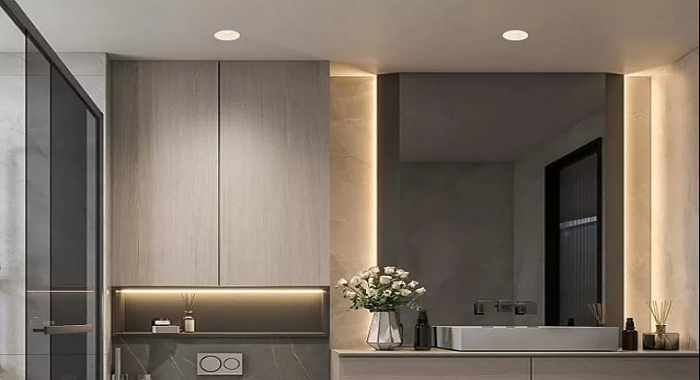
Because of the advantages of energy-saving and environmental protection, as well as their modern appearance, LED downlights are the ideal choice for home lighting. By understanding the different types of downlights, as well as the factors to consider when choosing (such as brightness, color temperature, beam angle, etc.), you can choose the most suitable LED downlight according to your needs.
In addition, through proper installation and regular maintenance of LED downlights, their service life can be extended and have a stable lighting effect. Whether you’re renovating your home or just upgrading your lighting, investing in high-quality LED downlights will pay off in the long run.
INQUIRY