

Products
Lighting plays a key role in shaping the atmosphere, comfort, and functionality of every space. Among the many lighting options available, LED downlights have become a preferred choice for both residential and commercial interiors. They offer a minimalist appearance, impressive energy efficiency, and long-lasting performance. If you’re planning a lighting upgrade or designing a new space, this guide will help you choose the best LED downlights for each room in your home or business.
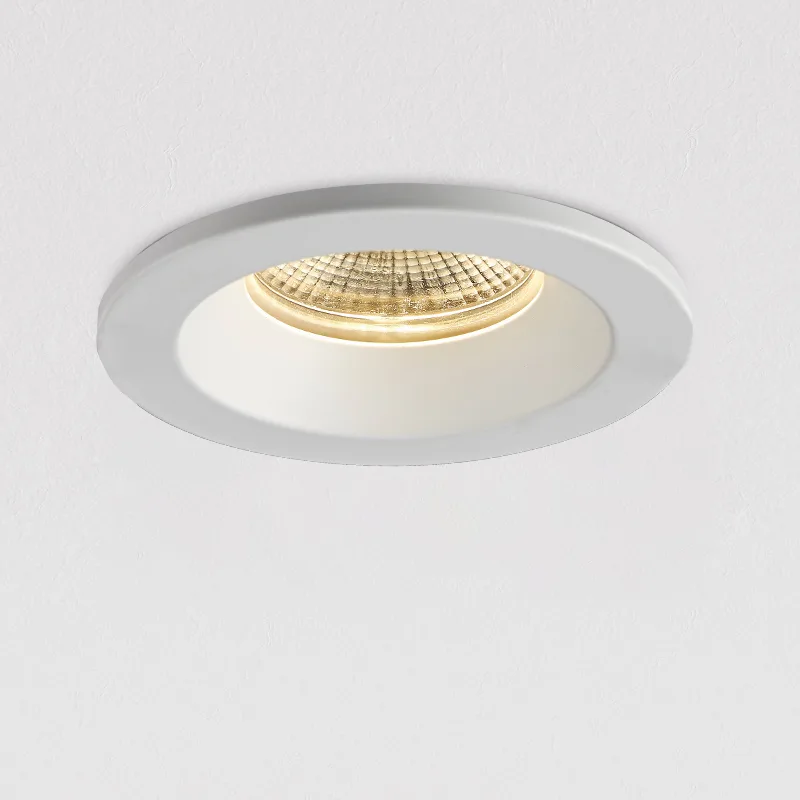
LED downlights, also known as recessed or can lights, are installed into the ceiling to provide smooth and uniform illumination. Unlike traditional bulbs, LED technology delivers superior brightness while consuming far less energy. High-quality downlights also feature advanced heat dissipation systems, anti-glare optics, and durable housings that extend product lifespan. They are available in various styles, including recessed, trimless, and surface-mounted designs, ensuring flexibility for different ceiling types and interior aesthetics.
Every room serves a unique purpose, so choosing the right lighting type and tone can make a big difference.
In living rooms, the goal is to create a warm and inviting atmosphere. Opt for dimmable LED downlights with a warm color temperature between 2700K and 3000K. These provide a soft, ambient glow that enhances relaxation and comfort. Adjustable or gimbal downlights can be used to emphasize artwork or architectural features, adding depth and character to the space. Anti-glare models are also ideal for living areas, as they reduce eye strain and provide a more pleasant lighting experience.
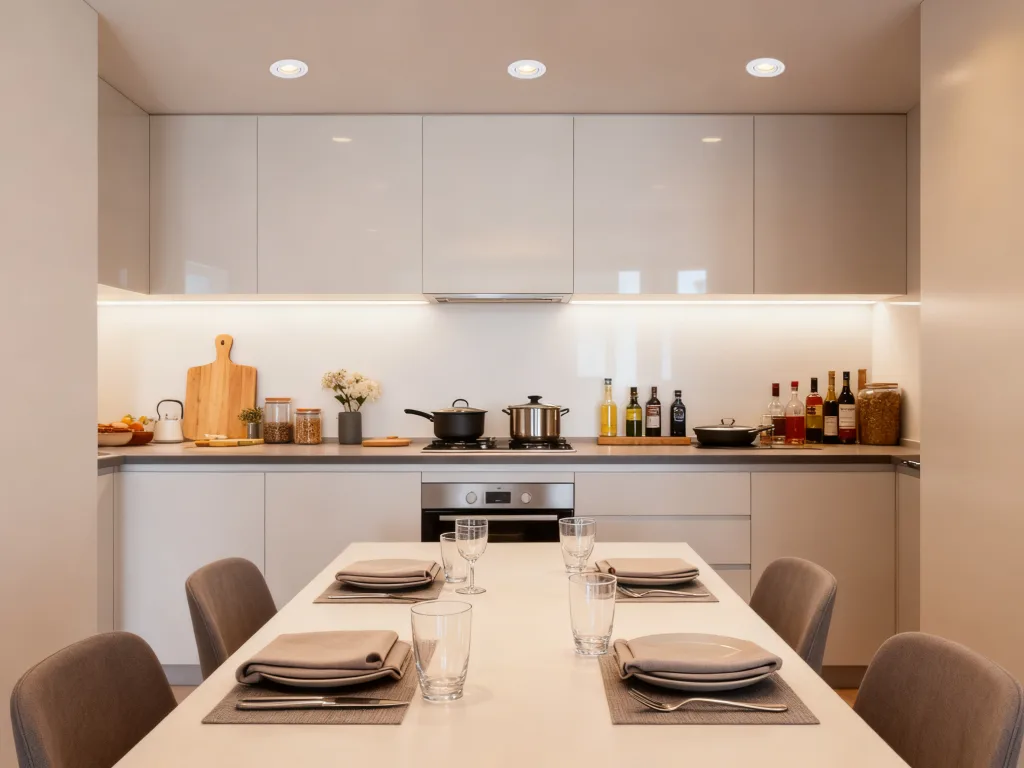
The kitchen requires bright, functional lighting for tasks such as cooking and cleaning. Choose LED downlights with a color temperature of 4000K to 5000K for clear and accurate illumination. A higher lumen output ensures sufficient brightness, especially over countertops and work areas. In open-plan kitchen and dining spaces, use a combination of wide-beam downlights for general lighting and focused ones for task areas to create a layered and practical lighting setup.
Bathrooms need lighting that is both bright and safe. Look for LED downlights with an IP44 or higher rating to protect against moisture and steam. Models with an IP65 rating are ideal for zones directly above the shower or bath. A neutral or cool white color temperature around 4000K to 5000K ensures optimal visibility for grooming and makeup application. Trimless or fire-rated designs are also suitable for modern bathroom ceilings where safety and aesthetics are both priorities.
In bedrooms, the goal is to promote relaxation and comfort. Warm white light (2700K–3500K) is best for creating a cozy environment. Dimmable downlights allow you to adjust brightness depending on the time of day or your mood. For reading areas or study corners, adjustable downlights are recommended to direct light precisely where needed. This combination of flexibility and comfort makes LED downlights an excellent choice for multipurpose bedroom spaces.
Hallways are often considered as transition areas, and good lighting ensures both safety and aesthetics. Use neutral white light (3500K–4000K) to maintain brightness without overwhelming the space. Wide beam angles help spread light evenly along the corridor, eliminating dark corners. For visual interest, you can also install directional downlights to accent wall art or architectural details.
Brightness is measured in lumens, and selecting the right output depends on the room size and ceiling height. Larger rooms or higher ceilings require higher lumen levels, while smaller areas benefit from softer illumination. Always balance brightness with comfort to avoid excessive glare.
The beam angle determines how the light spreads. Narrow beams (15°–30°) are perfect for accent lighting, while wider beams (60° or more) are suitable for general lighting. For most home interiors, combining both provides the best result — wide beams for ambient light and narrow beams for pointing out key features.
Color temperature affects how a room feels. Warm white light creates a cozy atmosphere, neutral white is ideal for clarity and focus, and cool white enhances brightness and energy. In addition, pay attention to the Color Rendering Index (CRI). A higher CRI (above 80) ensures that colors appear more vivid and natural under the light.
Dimmable LED downlights offer flexibility and help save energy. When choosing dimmable models, ensure compatibility with your dimmer switches to prevent flickering. Some modern options also support smart control systems, allowing you to adjust brightness or color temperature through mobile apps or voice assistants.
For areas exposed to moisture or dust, such as bathrooms, kitchens, or outdoor ceilings, it’s essential to select downlights with appropriate IP ratings. Higher ratings indicate better protection and longer product life. Durable housings and heat management systems further enhance performance and safety.
LED downlights come in various shapes and finishes to match different interior styles. Recessed and trimless designs are popular for creating a clean, modern ceiling appearance. Surface-mounted models, on the other hand, are suitable for ceilings with limited installation depth. Choose designs that harmonize with your interior décor while ensuring easy maintenance and accessibility.
For optimal lighting results, plan the layout before installation. As a general rule, space downlights about 1.5 times the ceiling height apart for even coverage. Avoid placing lights directly above seating areas to prevent glare. Mixing downlights with other lighting layers — such as wall sconces or pendant fixtures — adds depth and visual balance to the room.
Selecting the best LED downlights for every room involves balancing aesthetics, function, and efficiency. By considering factors such as brightness, beam angle, color temperature, IP rating, and design, you can create the perfect lighting environment for each space in your home. LED downlights not only enhance visual comfort and energy savings but also improve the overall look of modern interiors. With careful selection and proper installation, you’ll enjoy beautiful, reliable illumination for years to come.
INQUIRY