

Products
When installing recessed lighting, such as downlights, prioritizing safety is essential. A crucial element in safeguarding a facility is mitigating fire risks. Downlight fire hoods are specifically engineered to provide an additional protective barrier against the transmission of fire through ceiling and floor cavities. This is particularly vital in installations featuring recessed lighting. These hoods represent a straightforward yet effective strategy for augmenting the fire safety of your environment, delivering reassurance to homeowners, business proprietors, and contractors alike.
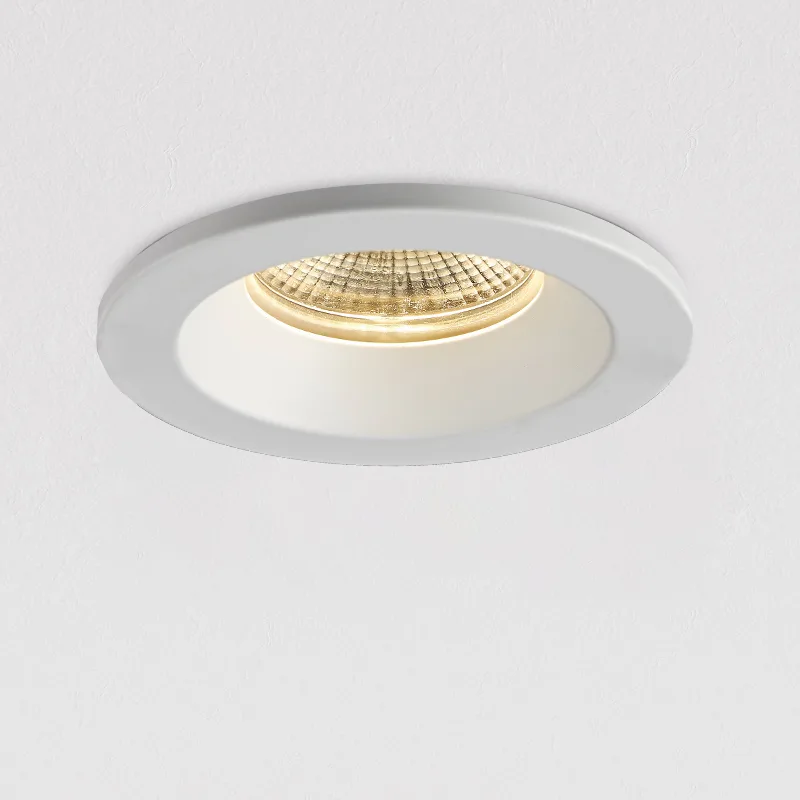
TOSEO downlight fire hood is a protective enclosure that fits over recessed light fixtures, commonly associated with downlights, to inhibit the transfer of fire through the lighting unit. Typically constructed from fire-resistant materials, such as aluminum or intumescent substances, these hoods are designed to expand upon exposure to heat and seal the fixture. This function is instrumental in preventing the migration of smoke, heat, and flames from one area to another.
Downlight fire hoods are predominantly utilized in both commercial and residential establishments to adhere to fire safety regulations and avert potential fire hazards during emergencies. In the event of a fire, the fire hood assists in preserving the integrity of the fire-resistant barrier in the ceiling, which could otherwise be compromised by the aperture created for the downlight installation.
While recessed downlights are often regarded as convenient and contemporary lighting solutions, they carry a notable drawback—the potential compromise of a building’s fire safety barriers. Ceiling voids, or the spaces between floors, serve as critical fire barriers that inhibit the spread of smoke and flames. The installation of downlights creates a breach in the ceiling, potentially facilitating fire spread through the ceiling cavity.
Fire hoods are specifically designed to address this concern. By enveloping the downlight, the fire hood guarantees that, should a fire occur, it does not penetrate the downlight fixture and compromise the ceiling or floor cavity. These hoods are capable of withstanding extremely high temperatures, acting as a barrier that effectively decelerates or entirely prevents flame propagation, thereby ensuring the fire remains contained within the affected area until emergency responders can arrive.
Downlight fire hoods primarily operate through one of two key mechanisms: fire-resistant materials or intumescent technology.
Fire-Resistant Material: Numerous downlight fire hoods are manufactured from materials such as aluminum or galvanized steel, both of which possess natural fire-resistant properties. These hoods create a physical barrier around the downlight, protecting the surrounding area from heat and flames.
Intumescent Materials: Some fire hoods employ intumescent materials, which are engineered to expand and increase in thickness when exposed to heat. This expansion seals off the downlight, obstructing the movement of fire and smoke. The intumescent process guarantees that the hood retains its protective capabilities even under extreme conditions, thereby enhancing safety.
Both varieties of fire hoods are highly effective in boosting fire protection, but the intumescent versions offer a more responsive level of defense, as they react to temperature fluctuations and automatically engage when subjected to high heat.
In a nutshell, Toseo downlight fire hoods are an essential investment for anyone looking to enhance the fire safety of their space. By preventing the spread of fire through ceiling voids, these hoods ensure that your building remains protected in the event of an emergency. Whether you are renovating your home, installing new lighting in a commercial building, or meeting safety regulations, downlight fire hoods provide crucial protection that cannot be overlooked.
Given the relatively low cost and ease of installation, there’s no reason to skip this critical safety feature. By ensuring that your downlights are equipped with fire hoods, you’re taking an important step in safeguarding both your property and the people within it.
INQUIRY