

Products
The hallway is often one of the most overlooked areas in a home. As a transitional space between rooms, it rarely receives the same design attention as living rooms or kitchens. However, with the right lighting—particularly LED wall lights—a hallway can evolve from a dim, forgotten corridor into a warm, welcoming, and beautifully functional part of your interior.
TOSEO LED wall lights are a brilliant solution for hallways due to their slim profile, energy efficiency, and versatility. Whether you’re aiming to highlight architectural features, improve nighttime visibility, or simply elevate the aesthetic, there’s an LED lighting concept for every kind of hallway. Below, we explore the best design ideas and practical tips for using LED wall lights to brighten and beautify your home’s passageways.
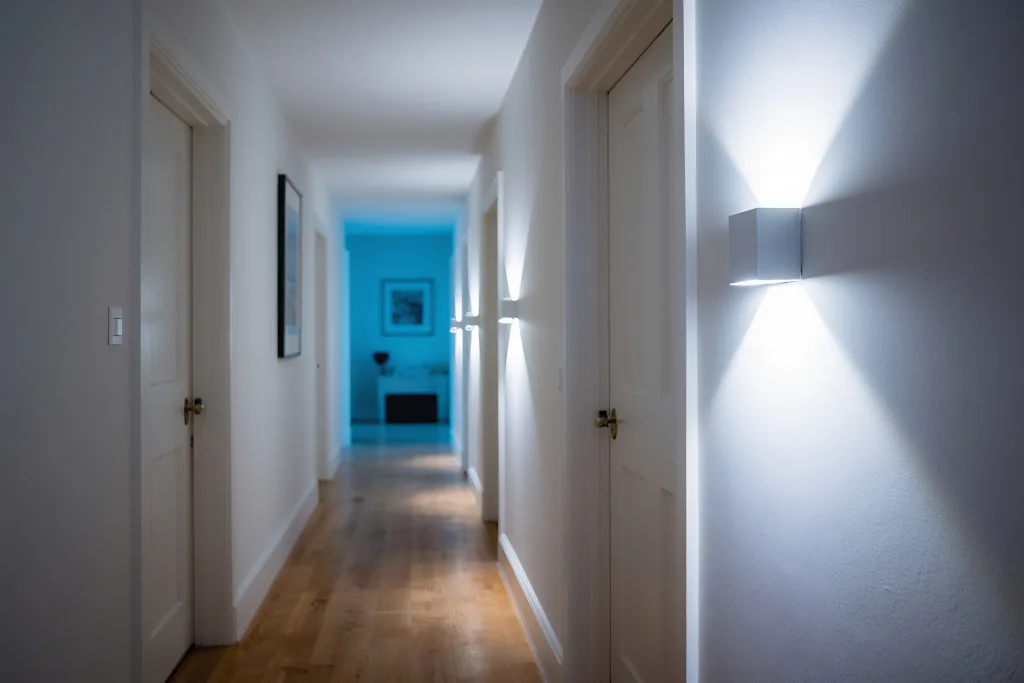
A subtle and elegant way to illuminate your hallway is by using indirect LED wall lighting. Fixtures that cast light upwards or downwards—rather than outward—provide a gentle wash of illumination along the walls, creating a cozy and calm atmosphere. This type of lighting is ideal for narrow or long hallways where you want to avoid harsh shadows or excessive brightness.
Uplighting emphasizes vertical lines and can make ceilings appear higher, while downlighting draws the eye along the path ahead, subtly guiding movement through the space. Choose LED sconces with minimalist designs and matte finishes to blend seamlessly with modern or transitional decor.
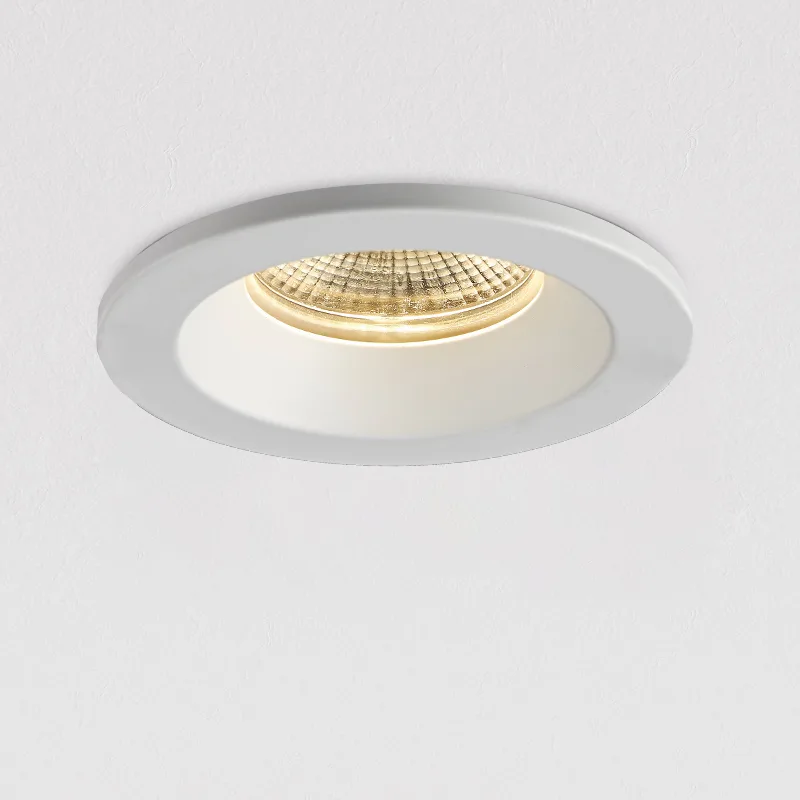
For hallways that lean toward a sleek, architectural aesthetic, recessed LED wall lights offer an ultra-modern approach. Installed directly into the wall surface, these fixtures provide soft pools of light that can highlight floor textures, accentuate artwork, or simply provide low-glare illumination.
Recessed LEDs are especially effective when spaced evenly along the corridor, creating a rhythmic lighting pattern that not only brightens the space but adds visual interest. Consider pairing these with motion sensors for a touch-free lighting solution that activates as you walk by—a particularly practical feature for late-night navigation or homes with children.
If your hallway features framed artwork, decorative mirrors, or sculptural elements, accent lighting with adjustable LED wall spotlights can bring them to life. These directional lights allow you to control the focus and angle, helping to create a curated gallery effect that adds both sophistication and personality to your hallway.
High-CRI (Color Rendering Index) LEDs are ideal in this scenario because they reproduce colors more accurately, ensuring your art or decor appears vibrant and true to tone. Opt for warm white light for a cozy feel or cool white for a more contemporary, gallery-style look.
Symmetrical wall lighting adds balance and order to a hallway. Placing identical LED sconces at regular intervals—such as opposite each doorway or between architectural features—helps establish a classic rhythm that is pleasing to the eye. This approach is especially effective in traditional homes or spaces that favor formal design layouts.
To achieve a cohesive look, choose sconces that complement your interior style, whether that’s industrial, mid-century, or Scandinavian. Matching finishes to other hardware or furnishings (like black, brass, or matte white) can further unify the space.
Hallways can often feel cramped or low-ceilinged, especially in older homes or apartments. Installing vertically oriented LED wall lights helps counteract that feeling by drawing the eye upward. Tall, slender fixtures create an illusion of height and openness, which is perfect for compact or enclosed corridors.
This design tactic works beautifully with contemporary and minimalist interiors, where clean lines and functional elegance are key. Combine vertical lighting with pale-colored walls or mirrors to further enhance the sense of space and light.
Modern LED wall lights often come equipped with smart technology, allowing you to control brightness, schedule on/off times, or even change color temperature—all from your smartphone or voice assistant. This adds a layer of convenience, especially in hallways where lights are frequently left on unintentionally.
Dimmer settings are especially useful in transitional spaces. During the evening, you might prefer a softer, warmer glow, while daytime or cleaning might call for a brighter setting. Smart systems can even automate these shifts based on time or ambient light levels, helping save energy and extend the life of your fixtures.
Don’t be afraid to combine different LED wall light styles in a hallway, especially if it’s long or segmented. For example, you might use recessed foot-level lighting in one section and art-deco sconces in another, depending on the architectural features or mood you want to create.
Mixing styles allows your hallway lighting to tell a story or evolve as one moves through the space. Just be sure to maintain a consistent color temperature and finish palette so that the overall design remains harmonious.
LED wall lights come in a variety of finishes—brushed aluminum, matte black, gold, bronze, glass, and more. Selecting the right color and material ensures that the fixture doesn’t just function well but also acts as a stylish component of your hallway decor.
For example, matte black fixtures pair well with white or gray walls for a bold, contemporary contrast, while brushed brass or bronze lends a warm, elegant touch to neutral or earth-toned hallways. Choose materials that reflect the overall tone of your home, and your hallway will naturally feel connected to the surrounding rooms.
Your hallway is the artery of your home—a place of movement, connection, and transition. With the strategic use of LED wall lights, you can ensure that this often-underestimated space is both functional and beautiful. Whether your goal is mood lighting, safety, energy savings, or a stylish upgrade, there is an LED wall light idea to suit your needs.
By combining smart placement, layered illumination, and fixtures that match your aesthetic, you can transform a hallway into a well-lit design statement—proof that even the most overlooked areas of a home can be sources of comfort and inspiration.
INQUIRY