

Products
In recent years, minimalist interior design has occupied a central position in both residential and commercial buildings. The simple lines, neutral color palette and tidy space define this aesthetic. With the development of these trends, lighting design has also undergone significant changes – not only in functionality, but also as part of the spatial visual language. Among these indoor lighting solutions, the most popular one is surface-mounted downlights, which are receiving increasing attention among architects and interior designers.
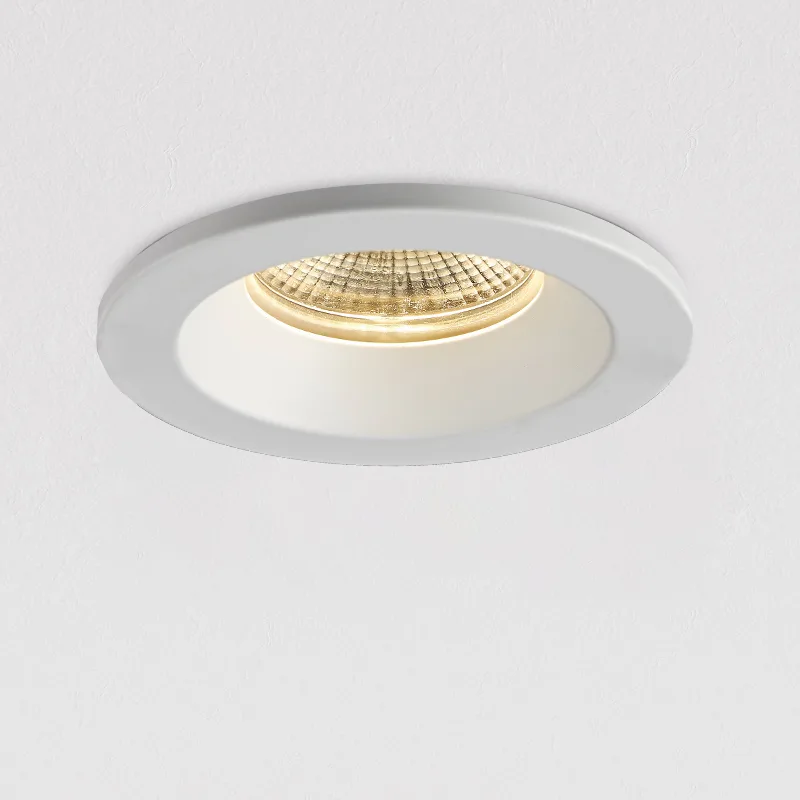
Unlike recessed downlights installed in ceiling cavities, surface-mounted downlights are directly fixed to the ceiling surface. This makes them highly suitable for buildings that cannot be embedded, such as those with concrete slabs, exposed beams or limited ceiling depth.
But functionality is only part of its appeal. Surface-mounted downlights also offer a unique visual feature, perfectly combined with the minimalist design principle. Their geometric shapes, smooth surfaces and low visual clutter contribute to environmental and task lighting without overwhelming the space.
Minimalist interior design is all about restraint and intentional design. Surface-mounted downlights, especially those with black, white or metal finishes, seamlessly blend into the clean ceiling lines. Their designs are usually cylindrical or square, echoing the geometric language of modern architecture.
Architects appreciate how these fixtures complement rather than compete with other design elements. Whether symmetrically installed on the ceiling or used to highlight specific areas such as artworks or furniture, they all contribute to creating the order and harmony that minimalism is essential for.
One key advantage of surface-mounted downlights is their versatility. They can not only be installed on ceilings, but also on walls, beams and other building surfaces. This makes them highly suitable for both new construction and renovation.
This wide availability means that architects can maintain visual consistency throughout the project while customizing lighting functions for each space.
Minimalism goes beyond clean surfaces – it is also about efficiency, sustainability and purposeful design. Surface-mounted downlights are aligned with these values in several ways:
Most modern downlights use LED technology, which significantly reduces energy consumption compared with traditional halogen or fluorescent bulbs. Their lifespan is also longer – usually over 30,000 hours – which reduces the frequency and cost of replacement.
Many models are also dimmable, allowing for further energy conservation and adaptation to the environment throughout the day.
Architects often encounter limitations in cutting structural elements when designing existing buildings, especially those with concrete ceilings or heritage. Surface-mounted downlights solve this problem and there is no need to be recessed. Electricians can install quickly, reduce interference to the ceiling and speed up the project progress. In addition, because they are not flush with the surface, they are easier to clean and maintain compared with embedded alternatives.
Surface-mounted downlights have far exceeded basic practical lighting. In 2025, several key design trends are shaping the market:
Matte black and matte white finishes dominate modern interior design. They reduce reflections, enhance texture, and contribute to a soft and elegant appearance.
Architects are increasingly specifying magnetic track lighting systems with surface-mounted modules, providing dynamic and customizable arrangements. These systems are particularly popular in retail and gallery Spaces.
Smart surface-mounted downlights connected to home automation systems such as Google Home, Alexa or Apple HomeKit are in demand. Architects and designers appreciate how these lamps integrate lighting control with the overall smart home design.
INQUIRY